Josh Boyer caught up in fake stash house undercover sting...incredible story
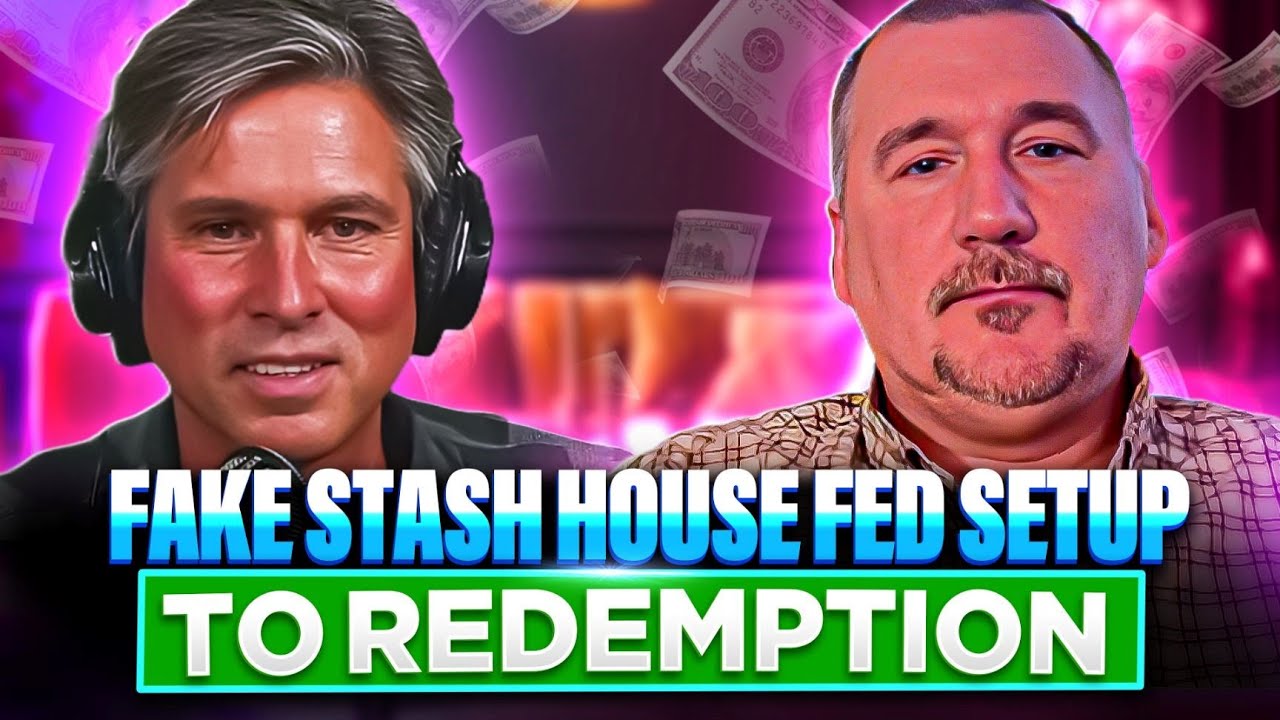
Josh Boyer caught up in fake stash house undercover sting...incredible story shares a first-hand addiction recovery story and practical lessons for people navigating legal pressure, incarceration, or reentry.
Key Takeaways
- Josh Boyer caught up in fake stash house undercover sting...incredible story explains what triggered the legal and personal crisis.
- The episode shows how accountability and structure shape outcomes in addiction recovery.
- Listeners get practical second-chance lessons they can apply immediately.
Josh Boyer caught up in fake stash house undercover sting…incredible story
What happens when a 24-year-old heroin addict desperate for rehab money gets targeted by federal agents in a fake crime that leads to 24 years in prison?
When I sat down with Josh Boyer, I knew his story would shake me. What I didn’t expect was how his transformation from desperate addict to legal scholar would reveal the deeply troubling world of government-manufactured crimes. Josh’s nightmare began with a simple need for $2,000 to get clean and get his life back on track. Instead, he found himself caught in an ATF sting operation that would steal nearly two decades of his life.
The Golden Parachute That Was Really a Trap
Josh was using heroin six to seven times a day when he reconnected with an old acquaintance at a Tampa bar. Within days, he was introduced to “Richie”, a supposed Colombian cartel member who claimed he’d been cheated by his boss and was assembling a crew to rob their stash house. For someone drowning in addiction and desperation, it seemed like salvation.
“He said he’d never have to work again, it was like the golden parachute,” Josh told me, describing that fateful conversation. But something felt wrong from the start. His girlfriend overheard the plans and freaked out. Josh himself was pacing nervously in camouflage pants and a black “POLICE” t-shirt, thinking he should back out.
He should have trusted those instincts. When the team arrived at what they thought was a storage facility to stash their portion of the robbery proceeds, “suddenly snipers appeared on the rooftop, garage doors rolled up, ATF rifles pointed at them with a helicopter hovering overhead.” The stash house didn’t exist. The drugs didn’t exist. The people they were supposedly robbing didn’t exist. Richie was an undercover ATF agent, and Josh had walked straight into a government trap.
From Naive Kid to Prison Legal Scholar
The courtroom was a masterclass in government theater. “They made it known to me in no uncertain terms from day one that regardless of what the truth was, their story, the way that they presented this, was going to be what mattered,” Josh recalled. The undercover agent Richie took the stand and painted Josh and his co-defendants as dangerous criminals who needed to be stopped, despite the fact that no real crime had ever been planned or attempted.
Josh received 24 years for a crime that never happened, involving drugs that never existed. At 24 years old, facing what felt like a life sentence, he could have given up. Instead, he did something remarkable, he decided to educate himself out of his nightmare.
Eight hours a day, every day, Josh haunted the prison law library. He studied case law, learned to write legal briefs, and began understanding the intricate web of federal criminal law that had ensnared him. But Josh didn’t just fight for himself, he became a lifeline for other prisoners who couldn’t read well or afford decent representation. His work helped fellow inmates get evidentiary hearings, appeals, and in some cases, freedom.
The Unlikely Path to Presidential Clemency
Josh’s legal education caught the attention of Professor Katie Tinto from Cardozo Law School, who became what he calls his “guardian angel.” She saw the injustice in these stash house stings and agreed to represent him. When President Obama announced his clemency initiative for non-violent drug offenders, Josh finally had hope.
But even with a legal scholar advocating for him and his original sentencing judge writing a letter to Obama asking for commutation, Josh remained skeptical. Clemency felt like winning the lottery. Then came the call that changed everything, but with a catch. Josh would be released, but only after completing a nine-month drug treatment program.
After 17 years behind bars, those final nine months in the RDAP program felt both eternal and surreal. Technology had transformed the world while he was locked away. “I really didn’t know how to use technology, the whole world of technology and social media and all that stuff changed,” he explained. From flip phones to iPhones, from no social media to Facebook dominating communication, Josh was stepping into an alien world.
Today, Josh works in Washington D.C. for Stand Together Trust, partnering with organizations driving criminal justice reform. His journey from desperate addict to policy advocate proves that our worst nightmares can sometimes forge our greatest purpose. But his story also exposes a troubling reality about how our justice system can manufacture criminals from vulnerable people, then warehouse them for decades.
Josh’s case wasn’t unique, it was part of a nationwide pattern of stash house stings that targeted desperate people with fake crimes. The real tragedy isn’t just that Josh lost 17 years of his life, but that countless others remain trapped in a system that prioritizes convictions over justice.
Key Takeaways
- Josh Boyer caught up in fake stash house undercover sting…incredible story explains what triggered the legal and personal crisis.
- The episode shows how accountability and structure shape outcomes in addiction recovery.
- Listeners get practical second-chance lessons they can apply immediately.


